Why does a stay at Four Seasons Resort Chiang Mai feel so good?
  Maybe it’s daily yoga sessions in an open air sala that was once a rice barn, practiced as the sun rises over the mountains...
  Perhaps it’s because the local builder and architect designed the Resort along feng shui power lines, aligning buildings for optimal spiritual energy...
  Or perhaps this sense of contentment can be attributed to the Buddhist priest who blessed the Resort on the day it opened in 1995.
 Whatever its origin, there’s definitely something special about Four Seasons Resort Chiang Mai...enjoy the journey!






 Property Size: 80,937 square metres/871,200 square feet
Total Number of Rooms: 80
Pavilions: 64
Private Residence Rentals: 16
Design Aesthetic:
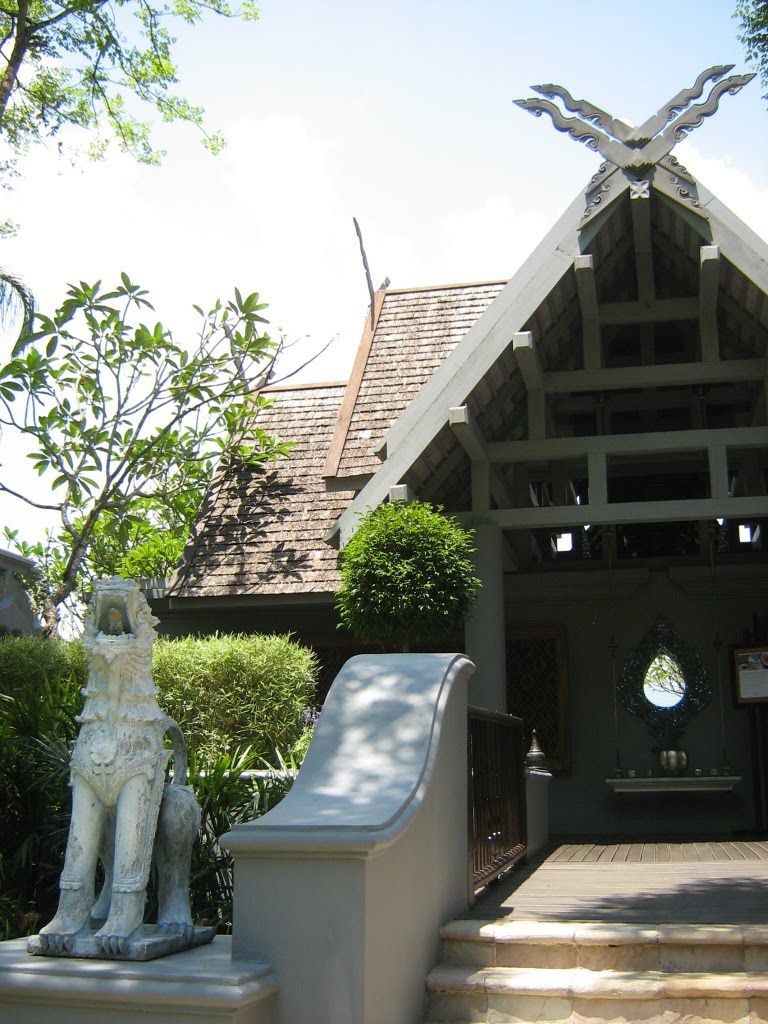
Lanna Kingdom style blends regional cultures of Burma, India and China
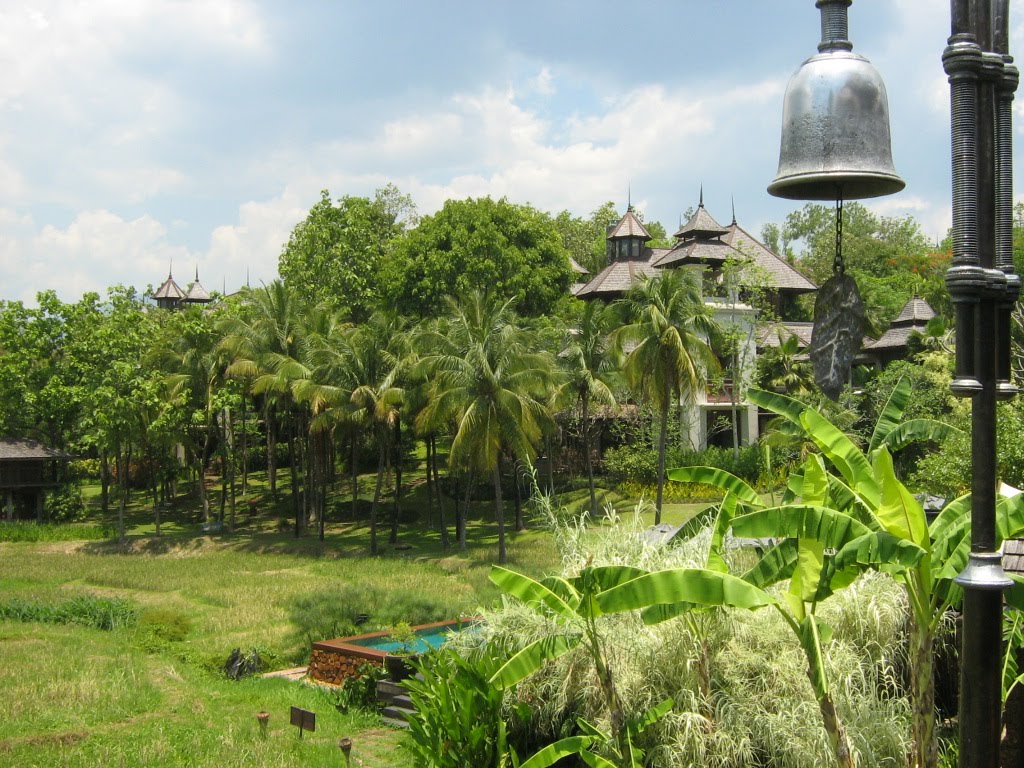
Resort layout reminiscent of a Thai village, with pavilions surrounding a working rice farm
Architect:
Chiang Mai Architects Collaborative (resort facilities, pavilions)
Bunnag Architects (residence rooms, spa)
Bensley Design Group Studios (cooking school)
Interior Designer(s): ABACUS Design Co. Ltd.
History:
Opened 1995, rebranded as Four Seasons Resort Chiang Mai in 2003
Location:
Within Mae Rim Valley overlooking Doi Suthep Mountain range
Set in 8 hectares (20 acres) of landscaped gardens and rice terraces with two small lakes, lily ponds, waterfalls and working rice farm


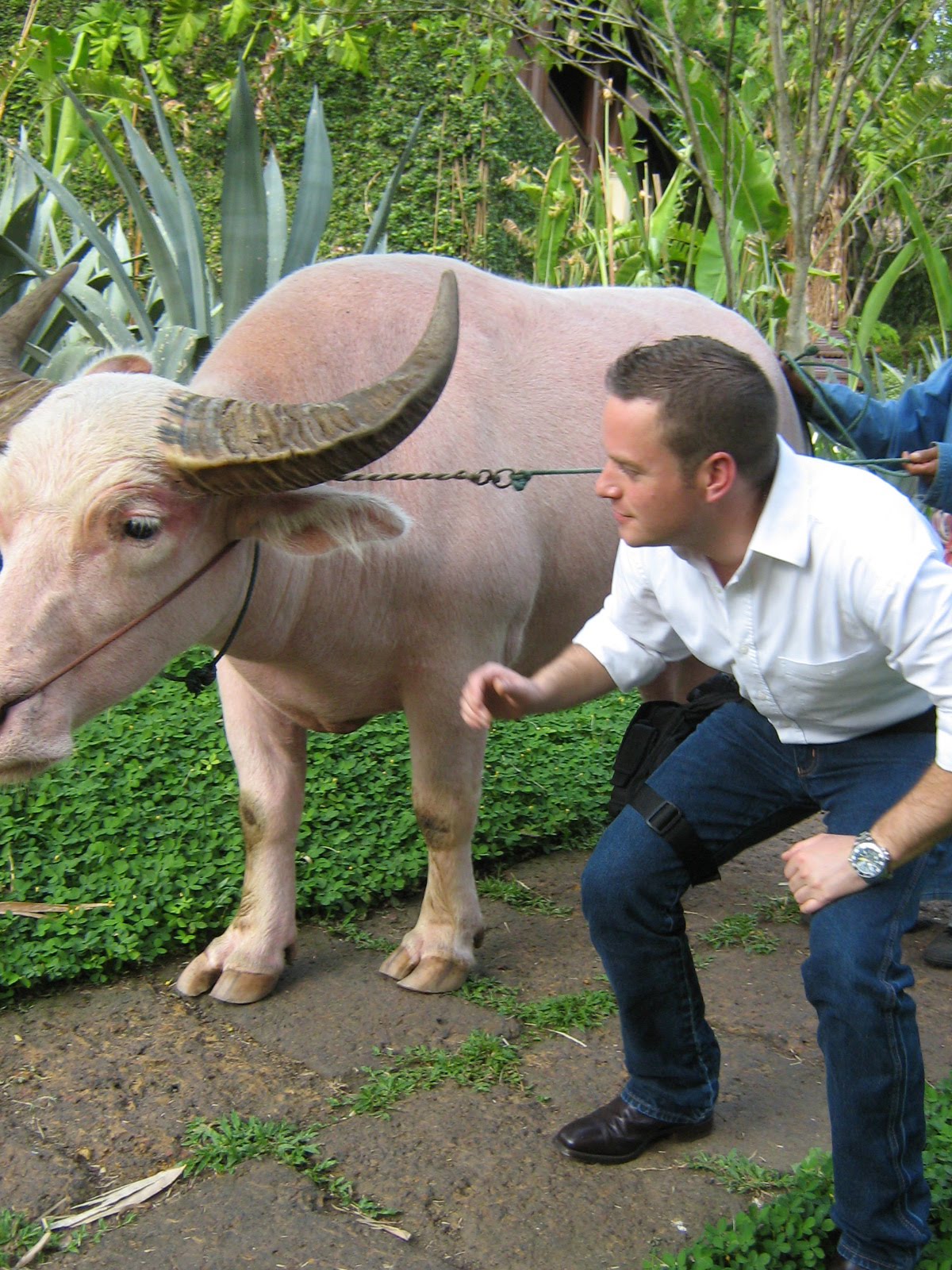
 The water buffalo or domestic Asian water buffalo (Bubalus bubalis) is a large
  .In 2000, the
 There are established


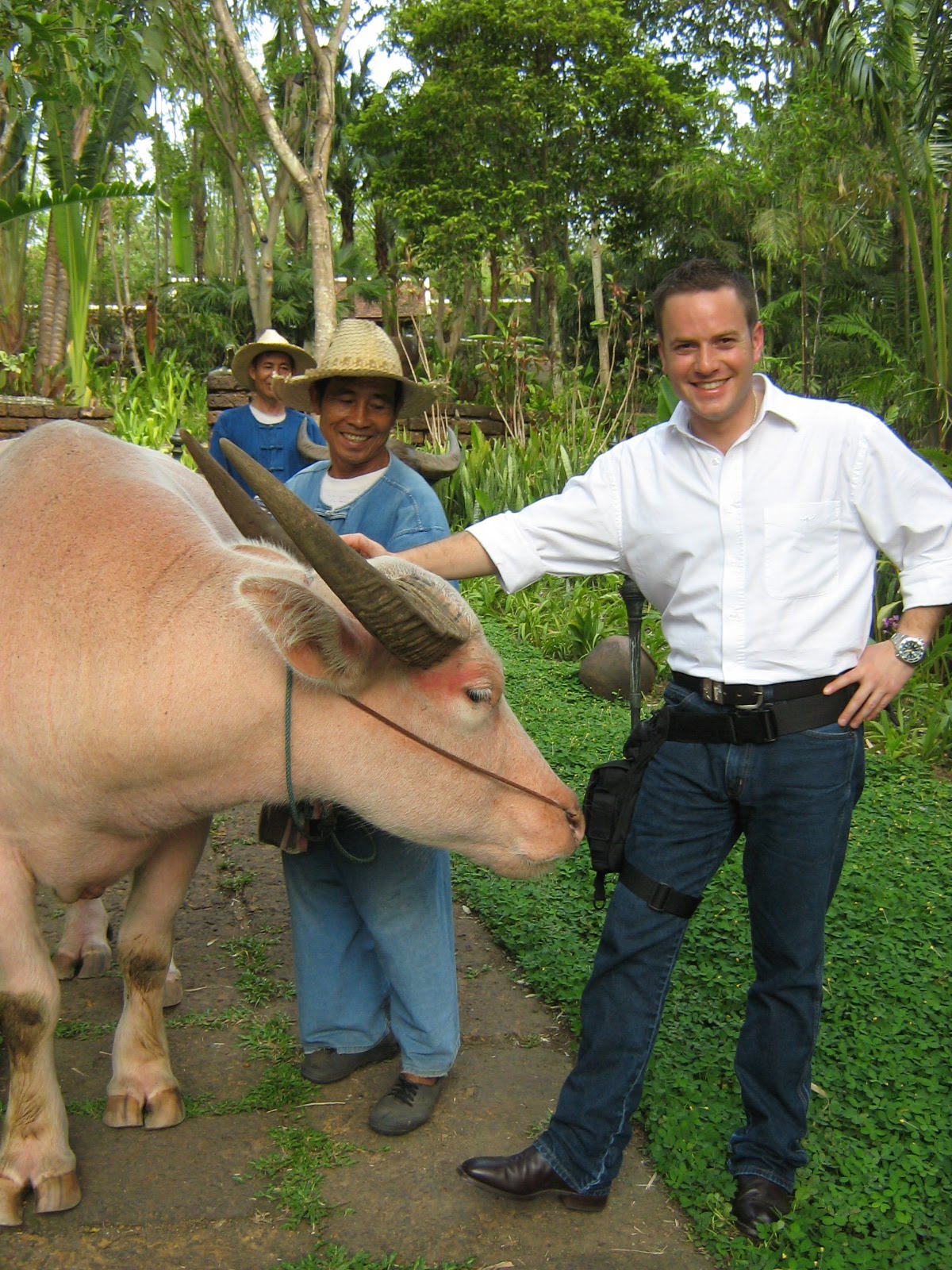


 It is valuable for its meat and milk as well as the labour it performs. As of 1992 the Asian population was estimated at 141 million. The fat content of buffalo milk is the highest amongst farm animals and the butterfat is a major source of ghee in some Asian countries.